



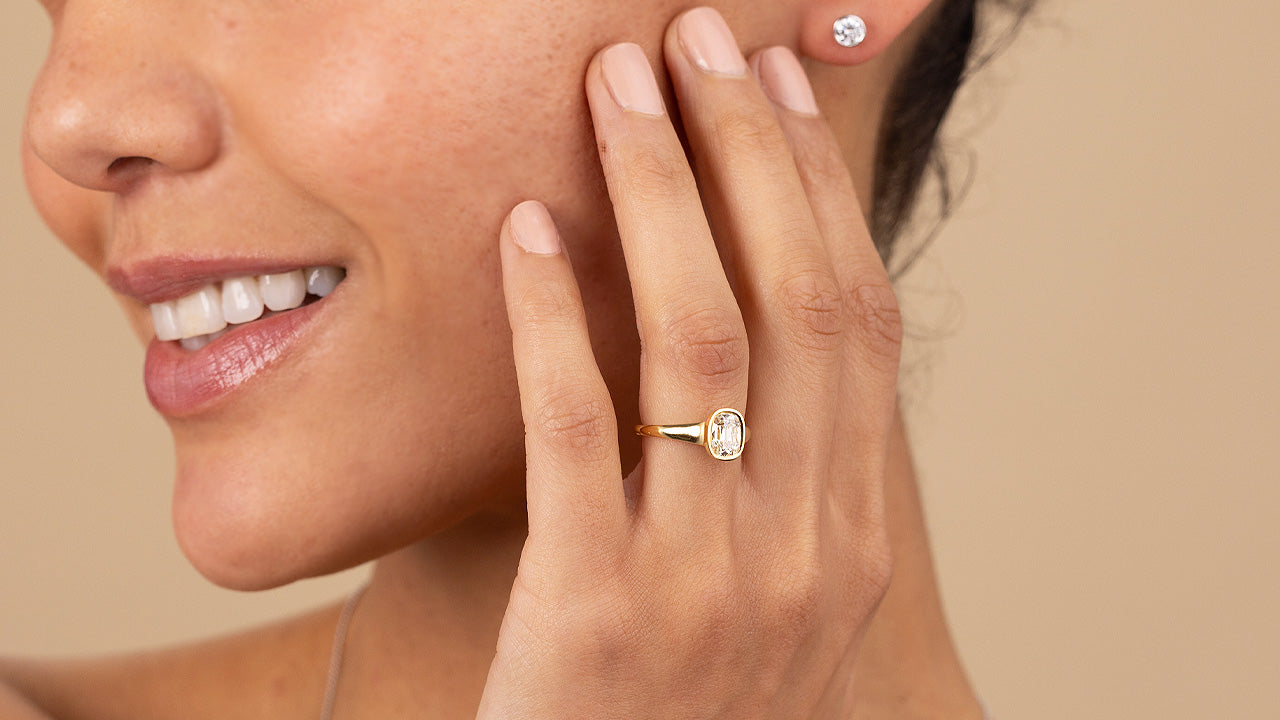
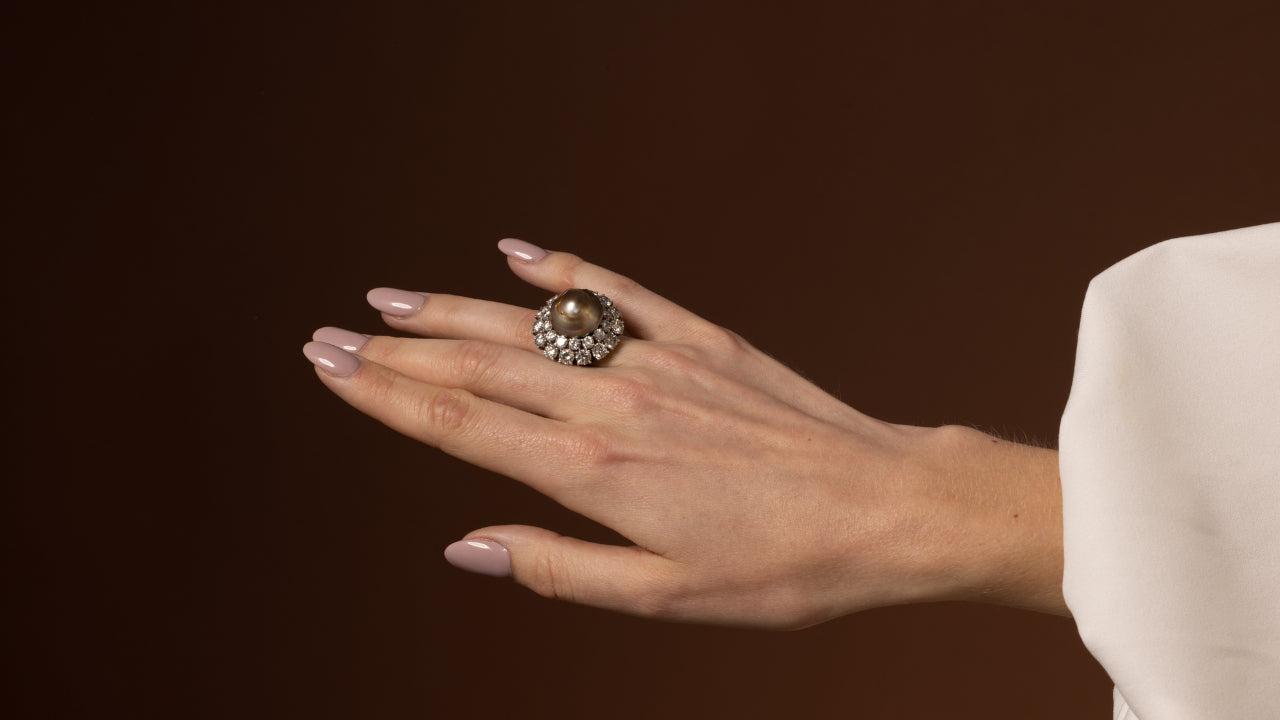


At Hatton Jewels, we understand the meaning fine jewellery holds.
From creating something new, falling in love with antiques, discovering pre-loved or selling fine jewellery, with over 100 years of experience, we offer a personal experience rooted in trust and authenticity.
Our New Arrivals
-

 Georg Jensen Magic Diamond Drop EarringsGeorg Jensen Magic Diamond Drop Earrings
- Regular price
-
£775.00
Quick view
-

 Cartier D'amore BraceletCartier D'amore Bracelet
- Regular price
-
£1,250.00 - Regular price
-
£1,250.00 RRP£1,750.00
Quick view
-

 Vintage Sapphire and Diamond Bracelet c.1940sVintage Sapphire and Diamond Bracelet c.1940s
- Regular price
-
£4,950.00
Quick view
-

 Vintage Hermes Yellow Gold BangleVintage Hermes Yellow Gold Bangle
- Regular price
-
£3,500.00
Quick view
-

 Cartier Rose Gold Pave Diamond Love Ring - Size 52Cartier Rose Gold Pave Diamond Love Ring - Size 52
- Regular price
-
£6,950.00 - Regular price
-
£6,950.00 RRP£9,850.00
Quick view
-

 Tiffany & Co. Yellow Gold Interlocking Circles NecklaceTiffany & Co. Yellow Gold Interlocking Circles Necklace
- Regular price
-
£1,300.00 - Regular price
-
£1,300.00 RRP£2,450.00
Quick view
-

 2.00ct Round Brilliant Cut Diamond Ring2.00ct Round Brilliant Cut Diamond Ring
- Regular price
-
£7,300.00 - Regular price
-
£7,300.00 RRP£18,000.00
Quick view
-

 Vintage 18ct Yellow Gold & Diamond BangleVintage 18ct Yellow Gold & Diamond Bangle
- Regular price
-
£4,800.00
Quick view


Made To Order Designs
-

 Georgian Style Cushion Cut Diamond Button Back RingGeorgian Style Cushion Cut Diamond Button Back Ring
- Regular price
-
£3,800.00 £26,000.00
Quick view
-

 Timeless Cushion Cut Diamond RingTimeless Cushion Cut Diamond Ring
- Regular price
-
£2,500.00 £20,000.00
Quick view


Quick view
Art Deco Style Diamond and Emerald Target Ring
-
Regular price
-
£4,950.00
- Regular price
-
£4,950.00


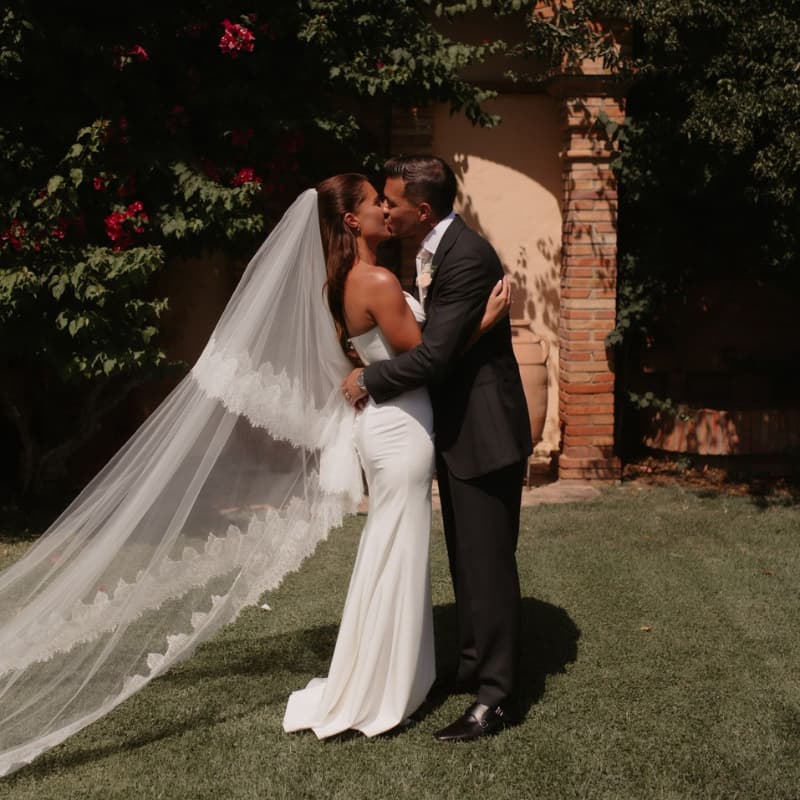
Trusted by over 25,000 customers throughout their jewellery journey, from finding the perfect piece to giving treasured jewellery a new life.
Get in touch
-
Email
Info@hattonjewels.com -
Telephone
020 3116 0069 -
Follow us
Hatton Garden Jewellers
Hatton Jewels is a leading jewellery boutique in the heart of London’s Hatton Garden Jewellery Quarter. We specialise in pre-owned jewellery, vintage, and antique jewellery, alongside helping customers sell jewellery with a service rooted in discretion, compassion, and genuine expertise, available through in-person appointment or insured post service.
Read more
For 25 years, we have focused on creating a seamless and unforgettable experience for anyone looking to purchase or sell jewellery. Curating tailored appointments at our 5 Hatton Place home with one of our GIA-qualified experts. We are here to help guide you through any type of purchase, from crafting bespoke engagement rings to viewing our collection of branded jewellery.
We endeavour to be amongst the best sustainable jewellery brands in the UK, our fine jewellery boutique embraces sustainable jewellery practices, caring deeply about ethically sourced and sustainable jewellery and making any piece to your liking through our bespoke jewellery service.
Hatton Jewels are proud members of the National Association of Jewellers and the Institute of Registered Valuers. We have highly qualified gemologists and valuers at our boutique, undertaking all types of jewellery valuations, so no matter your requirements, we are here to help.
Our in-house expertise and specialist knowledge extends to antiques and rare items, which is central to Hatton Jewels. Whether you are looking for pre-owned jewellery in Hatton Garden, exploring vintage jewellery, searching for antique jewellery, or ready to sell jewellery, you can book an in-person appointment using this page to start your jewellery journey with us.